

How to Maintain Your 4×4 Wheels for Long Off-Road Trips
Planning a massive off-road trek is an absolute rush, but let’s be real: your adventure is only as good as the wheels carrying you. Whether you’re crawling over jagged rocks, plowing through mud, or floating over sand dunes, your 4×4 wheels take a beating. Proper maintenance isn’t just about looking good; it’s about making sure you actually make it back home.
At Wheel Wize, we’re just as obsessed with the dirt as you are. Here’s how to keep your wheels in peak condition so you can focus on the horizon, not a breakdown.
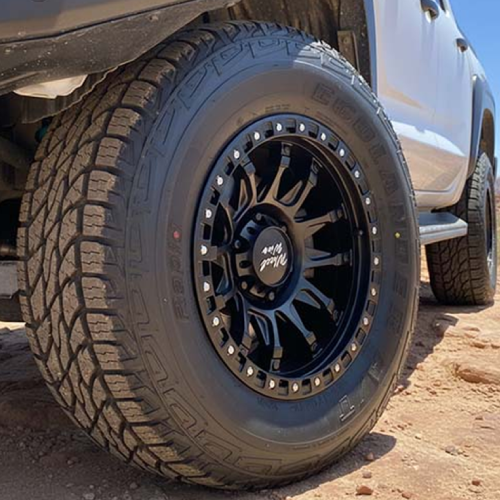
The Pre-Trip Ritual: Inspect Everything
Don’t wait until you’re 50km deep into the bush to find a problem. A quick walk-around can save your life. Look for the “Big Four”:
- Bent Rims: Even a slight “smile” on your rim edge can lead to air leaks.
- Loose Nuts: Vibrations from your last trip might have rattled things loose.
- Corrosion: Check for rust spots that could weaken the structure.
- Uneven Tread: If your tires look funky, your alignment is likely shot.
Pro Tip: If you spot a hairline crack in an alloy wheel, don’t “wait and see.” Replace it. Off-road stress will turn a crack into a shatter.
Master the Art of Airing Down
Your tire pressure isn’t “set and forget.” To conquer different terrains, you have to be flexible.
| Terrain | Pressure Strategy | Why? |
| Sand | Low PSI | Creates a “paddle” effect to stop you from digging in. |
| Rocks | Moderate PSI | Balances grip with enough stiffness to protect your sidewalls. |
| Highway | Factory Spec | Reduces heat buildup and keeps you stable at speed. |
Essential Gear: Never leave home without a reliable portable air compressor. You’ll need it the second you hit the bitumen again.
Wash Away the Evidence
We get it – a muddy truck is a badge of honor. But leaving that “souvenir” on your wheels is a recipe for disaster. Dried mud acts like sandpaper on your seals and can actually throw your wheels out of balance, causing a nasty wobble at high speeds.
Give them a deep clean with mild detergent, making sure to spray out the inner barrel and around the lug nuts. It’s the best way to spot hidden damage you might have missed under the grime.
Torque It Like You Mean It
Off-roading is essentially a giant vibratory plate for your vehicle. All that bumping can loosen your wheel nuts.
Grab a torque wrench (not just a standard lug wrench) and check them after the first few hours of dirt driving. This keeps your wheels seated perfectly and prevents unnecessary stress on your suspension.
Rotate and Align: The Longevity Secret
Off-road driving is rarely symmetrical. You might be leaning harder on one side during a climb or spinning one rear tire more in the mud.
- Rotate every 5,000–10,000 km: This ensures your expensive rubber wears down evenly.
- Check Alignment: If your steering wheel feels “off-center” or the car pulls to the left after a hard hit, get a professional alignment immediately.
Don’t Ignore the Small Stuff (Valves & Seals)
A tiny $2 valve stem can strand a $70,000 rig. Dirt, grit, and sticks love to snag valve stems. Make sure your dust caps are on tight, and check your bead seals for any slow leaks. If you’re seeing a mysterious drop in PSI, it’s likely a compromised seal.
Pack Your “Save My Trip” Kit
Be your own mechanic. Your off-road kit should always include:
- A heavy-duty jack and a base plate (so the jack doesn’t sink into the mud).
- A plug kit for quick punctures.
- A full-sized spare (don’t rely on a “space saver” in the outback!).
Ready to Level Up?
Sometimes, the best maintenance is starting with the right gear. If you’re still running stock wheels on hardcore trails, it might be time for an upgrade. Heavy-duty 4×4 wheels are built to take the hits that would shatter factory alloys.
At Wheel Wize, we don’t just sell wheels – we fit the gear that gets you through the toughest tracks in the country.
Planning a trip? Drop by Wheel Wize for a professional balance and check-up before you head out. Let’s make sure your only surprise on the trail is the view!